Those Black Streaks on Your Roof: What the Algae Really Is
You've probably noticed those dark streaks running down your roof and assumed it's just dirt or staining. It isn't. Those black marks are alive, and knowing what they actually are changes how you deal with them. Scrubbing at dirt is one thing, but this needs a different approach entirely.
The good news is that the black streaking on your roof is a well-understood problem with a straightforward fix. It's not a sign your roof is falling apart, and it doesn't mean you need a new one. It does mean your roof has become home to something that spreads if left alone, so it's worth understanding before it takes over the whole slope.
The quick answer: Those black streaks are a hardy algae called Gloeocapsa magma, a living organism that feeds on your roof and spreads in damp, shaded conditions, and it's cleared with a soft wash and biocide rather than scrubbing.
1. It's algae, not dirt
The first thing to understand is that those streaks are a living algae, not grime that's built up over the years. It's a type known as Gloeocapsa magma, and it's remarkably tough. It settles on roofs, takes hold, and slowly darkens the surface as it grows and multiplies across the tiles.
Because it's alive, you can't just wash it off like mud. Blasting or scrubbing might shift the surface for a while, but the algae comes straight back because the organism itself is still there. That's why treating it properly means killing it, not just cleaning the visible marks away.
2. Why it streaks downward
Ever wondered why it runs in streaks rather than spreading evenly? The algae starts higher up and gets carried down the slope by rainwater, following the path the water takes. That's why the marks look like dark tears running from the ridge toward the gutters.
It often shows worst on north-facing slopes, which stay damp and shaded longest. On Durham roofs, where the sun is in short supply for much of the year and the damp lingers, those north sides give the algae exactly the conditions it wants. You'll frequently see one side of a roof streaked while the sunnier side stays clearer.
3. Why Durham roofs get it so badly
Algae loves moisture, and Durham provides plenty. The damp air that sits in the Wear valley, the regular rainfall, and the cool northeast climate keep roofs wet for long stretches, which is exactly what this organism needs to thrive. Drier parts of the country see far less of it.
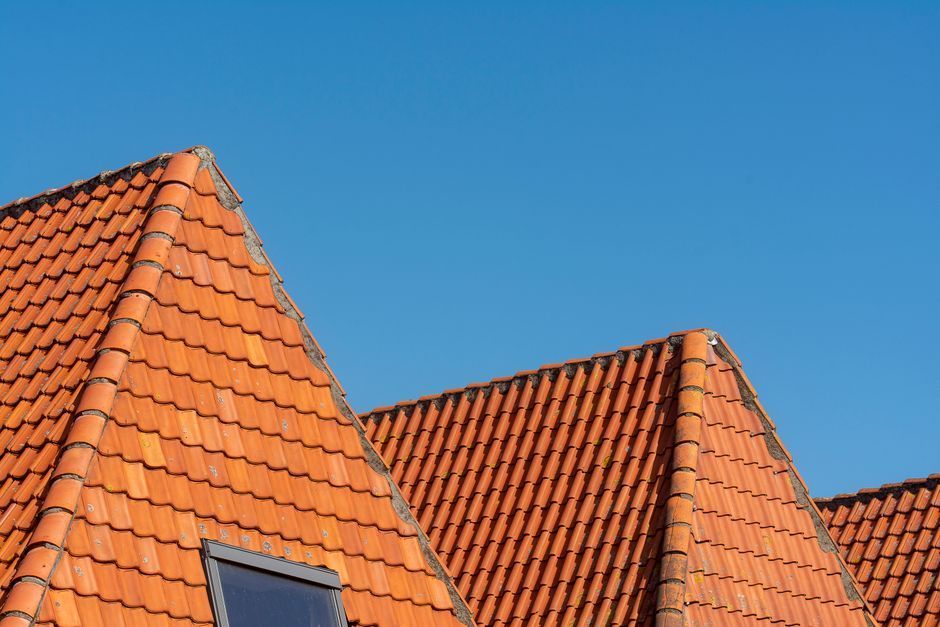
Tree cover makes it worse. The mature trees around areas like Gilesgate and Neville's Cross throw shade and drop debris, both of which keep the roof damp and feed the algae. A roof tucked among trees near the valley floor will streak far faster than one out in the open catching wind and sun.
4. Is the algae actually harming the roof?
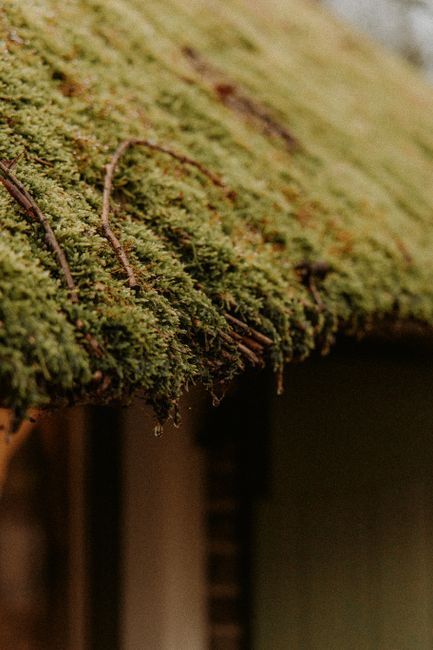
It's mostly a cosmetic problem to begin with, but it doesn't stay that way. As the algae holds moisture against the surface, it creates the damp conditions that moss and lichen love, so the black streaks are often the first stage before heavier growth moves in. Left long enough, that combination works on the roof surface itself.
On the concrete tiles common across Durham's newer estates, a long-term algae and moss covering can wear at the protective surface over the years. It's not an emergency, but it's not something to ignore forever either. Dealing with the streaks early stops the roof heading down that path.
5. Why scrubbing and blasting don't work
Reaching for a pressure washer feels logical, but it's the wrong tool for algae. High pressure might strip the visible streaks temporarily, but it damages tiles and slate, and the algae returns within a season because the spores are still there. You end up with a harmed roof and the same problem.
This matters on Durham's older slate roofs especially, where the surface is delicate and a blast can crack or dislodge tiles. The streaks look dramatic, but they don't call for dramatic force. A gentle treatment that kills the organism does far more than any amount of scrubbing, and it does it without the collateral damage.
6. How a soft wash clears it properly
The right fix is a soft wash. A low-pressure biocide treatment is applied to the roof, soaking into the algae and killing it at the source. Over the following weeks the dead algae breaks down and rain washes it away, leaving the roof clear without any harsh scrubbing.
The lasting benefit is that the biocide keeps working, so the streaks don't come racing back the way they would after a physical clean. In a climate as damp as the North East, that ongoing protection is what makes the difference between a roof that stays clear and one that's streaked again by next winter. It's the approach that actually suits the problem.
- Living organism: The streaks are Gloeocapsa magma algae, not dirt, so they need killing rather than washing.
- Water-borne spread: Rain carries the algae down the slope, creating those distinctive dark streaks.
- Damp-driven: Durham's wet climate and shaded, tree-lined areas give the algae ideal conditions.
- Gateway growth: Algae holds moisture that invites moss and lichen to follow.
- Soft wash fix: A low-pressure biocide kills it at the root and keeps it from racing back.
Frequently Asked Questions
Are the black streaks on my roof dangerous?
Not immediately, but they shouldn't be ignored. The algae is cosmetic at first, yet it holds moisture that invites moss and lichen, which over time can wear at the roof surface.
Can I just scrub the streaks off?
Scrubbing or blasting only removes the visible marks temporarily and risks damaging the tiles. The algae returns because the organism is still there, which is why a biocide treatment is the proper fix.
Why is only one side of my roof streaked?
North-facing slopes stay damp and shaded longest, giving the algae ideal conditions. The sunnier, breezier side dries out faster and resists the growth, so it often stays clearer.
Will the streaks come back after cleaning?
Eventually some regrowth is natural in a damp climate, but a biocide treatment keeps working long after the visit, so a soft washed roof stays clear far longer than a scrubbed one.
Does every Durham roof get this algae?
Most are prone to it because of the damp climate, though shaded, tree-lined roofs near the valley get it worst. Roofs in open, breezy spots tend to streak more slowly.
Tired of the black streaks on your roof?
Ben's Roof Cleaning clears algae and moss with gentle soft washing across Durham and County Durham, with over 15 years of experience. Get in touch or call 07889 127153
for a free, no-obligation quote.
Know your enemy and the streaks are easy to beat
Those black streaks aren't dirt and they aren't permanent, they're a living algae that thrives in Durham's damp and spreads if you leave it. Once you know that, the fix is obvious: kill the organism with a gentle biocide treatment rather than fighting the marks with force. Deal with it early and properly, and your roof stays clear through the wet seasons instead of streaking up again year after year.