What Happens During a Soft Wash, Step by Step
If you've booked a soft wash for your roof, or you're thinking about it, you probably want to know what you're actually paying for. It's fair to wonder, because from the ground it can look like someone spraying water about. There's more method to it than that, and knowing the steps helps you see why it works and why it lasts.
A soft wash isn't a blast-and-go job. It's a gentle, deliberate process built around killing moss and algae properly rather than just knocking the surface layer off. Here's what happens from start to finish when a roof gets soft washed, so you know what to expect on the day and afterwards.
The quick answer: A soft wash starts with an inspection, then debris is cleared, a low-pressure biocide treatment is applied to kill moss and algae at the root, and the treatment carries on working for weeks so the roof stays cleaner far longer than a quick scrub.
1. The first look and safe setup
Every job starts with a proper look at the roof. The cleaner checks the type of tile or slate, how much moss there is, the pitch, and whether any tiles are cracked or slipped. That assessment shapes how the rest of the work is done, because a delicate slate roof is treated differently to sturdy modern concrete.
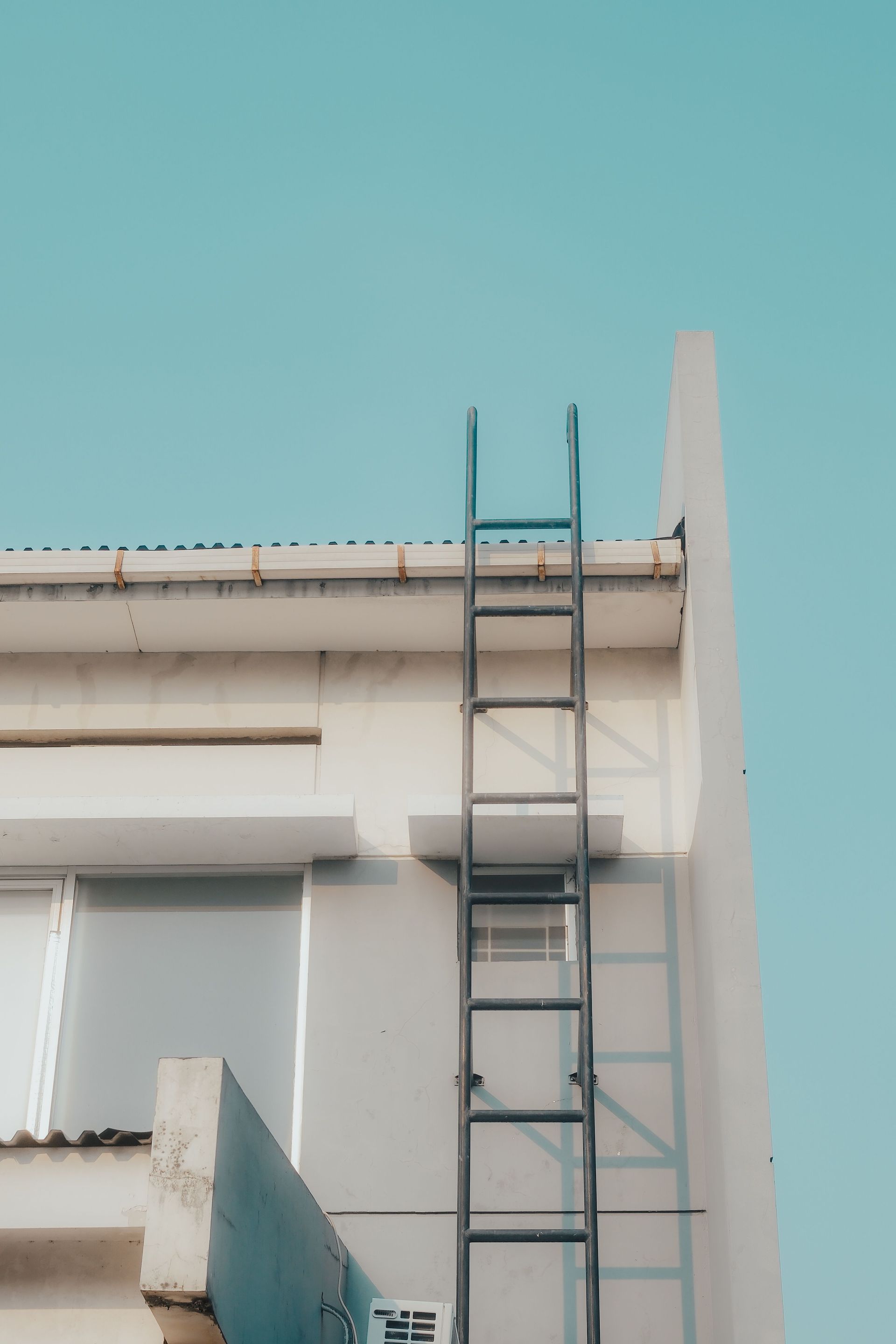
Then comes safe access. On Durham's older terraces this can mean working around tight rear yards or reaching a steep pitch, so the right ladders, tower, or platform get set up before anyone goes near the roof. Getting this right at the start is what keeps the whole job safe and steady rather than rushed.
2. Clearing the loose debris first
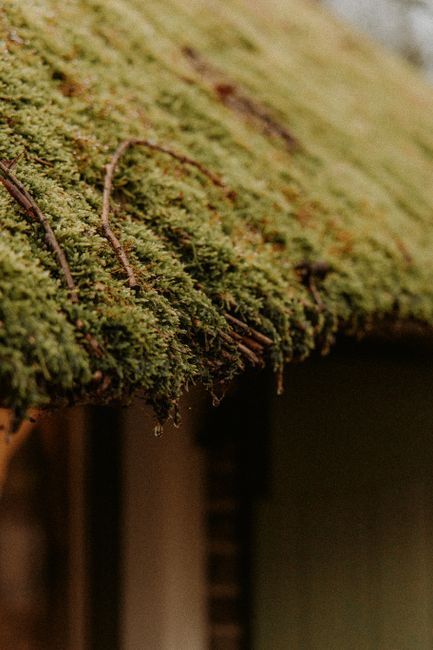
Before any treatment goes on, the loose material is cleared away. Thick moss, fallen leaves, and general muck get removed gently so the biocide can reach the surface it needs to work on. Skipping this would leave the treatment sitting on top of debris instead of getting to the roots.
This is done carefully, not aggressively. The point is to lift the worst of the growth without scraping or hammering the tiles, which is exactly what separates soft washing from a pressure blast. On a roof under trees near the Wear valley, where leaf litter builds up fast, this clearing stage makes a real difference to the finish.
3. Applying the biocide treatment
Now the heart of the job. A biocide is applied at low pressure across the roof, soaking into the moss, algae, and lichen. Rather than forcing growth off with brute force, the treatment kills it at the root so it dies back and washes away naturally over the following weeks.
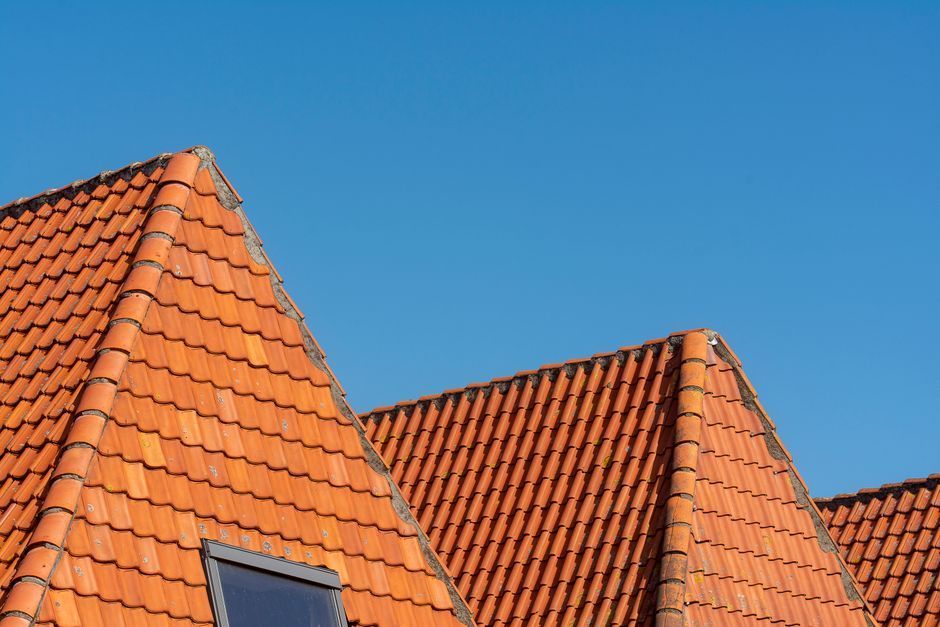
Low pressure is the key. It carries the treatment onto and into the surface without driving water under tiles or stripping the finish, which matters enormously on the Welsh and Scottish slate you find across Durham's period homes. The roof is left coated with a treatment that keeps doing its job long after the cleaner has packed up.
4. Letting the treatment do the slow work
Here's the part that surprises people. A soft washed roof often doesn't look perfect the moment the work finishes. The biocide needs time to kill the growth fully, and over the following weeks the dead moss and algae dry out, break down, and get washed off by the rain.
That gradual change is a good sign, not a fault. In Durham's regular rainfall the roof steadily clears itself as the weeks pass, ending up far cleaner than a same-day scrub could ever leave it. Patience here is rewarded with a result that actually lasts through the seasons.
5. Sorting the gutters and downpipes
Cleaning a roof pushes debris downward, so the gutters get attention as part of a thorough job. Dead moss and muck that comes off the roof can end up in the gutters, and clearing them stops blockages and keeps rainwater draining properly away from the walls.
On Durham's terraces, where gutters often run the length of a shared row, a blocked section can send water spilling down the brickwork and cause damp inside. Dealing with the gutters at the same visit means the whole rainwater system is left working as it should, not just the roof looking better.
6. The lasting protection afterwards
The big advantage of soft washing shows up in the months that follow. Because the biocide keeps working, the roof stays clear far longer than it would after a physical clean alone. You're not back to square one by the next wet season.
Given how damp the North East stays year round, that lasting protection is worth a lot. Moss will always try to return on a shaded roof near the river, but a treated surface resists it for much longer, which means fewer cleans over the years and better value from each one. A little maintenance keeps that protection topped up.
- Inspection first: The roof is assessed for tile type, moss level, and any damage before work begins.
- Debris cleared: Loose moss and leaves are removed gently so the biocide can reach the surface.
- Low-pressure biocide: The treatment kills moss and algae at the root without harming slate or tiles.
- Gradual result: The roof keeps clearing over weeks as rain washes off the dead growth.
- Gutters included: Debris pushed down during cleaning is cleared so drainage stays free.
Frequently Asked Questions
Why doesn't my roof look clean straight away?
Soft washing works over time. The biocide kills the moss and algae, then the rain washes the dead growth off gradually over the following weeks, so the roof keeps improving after the visit.
Is low pressure really enough to clean a roof?
Yes, because the biocide does the actual killing, not the water. Low pressure carries the treatment safely without the risk of driving water under tiles or stripping the surface.
Will soft washing damage my slate roof?
No, that's the point of it. The gentle, low-pressure method suits the delicate slate common on Durham's period homes far better than any high-pressure approach.
Do you clean the gutters as well?
A thorough job includes them, since cleaning the roof pushes debris down. Clearing the gutters keeps rainwater draining properly and protects the walls from damp.
How long before I see the full result?
Usually a few weeks, depending on rainfall. Durham's regular rain helps wash the dead growth away steadily, and the roof ends up cleaner than a same-day scrub could manage.
Ready to see what a proper soft wash can do?
Ben's Roof Cleaning uses gentle, low-pressure soft washing for roofs and gutters across Durham and County Durham, with over 15 years of experience. Get in touch or call 07889 127153
for a free, no-obligation quote.
Gentle work that keeps on working
A soft wash is a steady, careful process rather than a quick blast, and that's exactly why it protects your roof and lasts. From the first inspection to the biocide that carries on killing growth for weeks, every step is aimed at a clean that holds up through Durham's wet months. Knowing what happens on the day makes it easy to see why the gentle approach beats the fast one every time.