How Often Should You Really Clean Your Roof?
You've probably wondered whether your roof needs cleaning yet, or whether you're leaving it too long. It's a fair question, and the honest answer is that there's no single number that fits every home. How often your roof needs attention depends on where it is, what it's made of, and what's growing on it.
That said, you're not left guessing entirely. There are clear patterns to how fast roofs green up, and Durham's damp climate pushes most homes toward the more frequent end of the scale. This guide gives you a realistic sense of timing, so you can keep on top of your roof without either neglecting it or cleaning it more than it needs.
The quick answer: Most roofs benefit from cleaning every two to four years, but shaded, tree-covered, or north-facing roofs in a damp area like Durham often need attention sooner, while a light biocide treatment in between stretches the gaps.
1. There's no one-size-fits-all answer
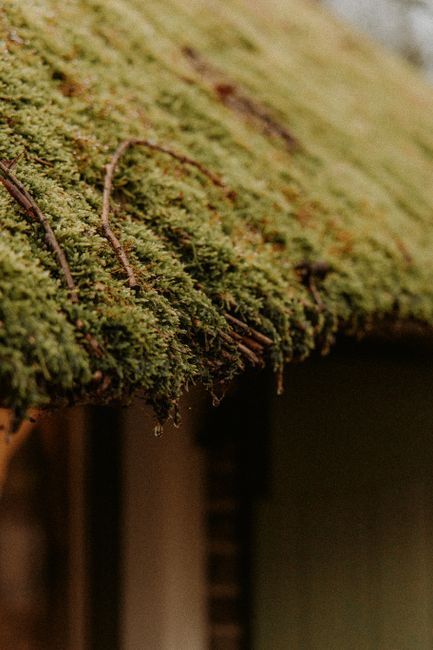
The frequency your roof needs cleaning comes down to its own situation. A roof in a sunny, open, breezy spot dries out quickly and grows moss slowly, so it can go longer between cleans. A shaded, damp roof under trees greens up fast and needs attention more often.
That's why any honest guide gives a range rather than a single figure. Two roofs on the same Durham street can be on very different schedules depending on which way they face and what's around them. The trick is learning to read your own roof rather than following a number that was never meant for your house.
2. What the Durham climate does to the timing
Durham's weather leans heavily toward more frequent cleaning. The damp air off the Wear valley, the steady rainfall, and the cool northeast climate keep roofs wet for much of the year, and that's exactly what moss and algae need. Roofs here green up faster than in the drier south.
It means the longer end of the usual guidance often doesn't apply locally. Where a roof in a dry region might stretch to four or five years, a comparable roof around Durham may want attention closer to every two or three. Factoring in the local climate is the single biggest adjustment you can make to your timing.
3. Trees, shade, and which way it faces
The area right around your roof changes everything. Overhanging trees drop leaves and cast shade, both of which keep the surface damp and feed growth, so a roof under mature trees needs cleaning more often than an exposed one. The leafy streets around Gilesgate and Neville's Cross are a good example.
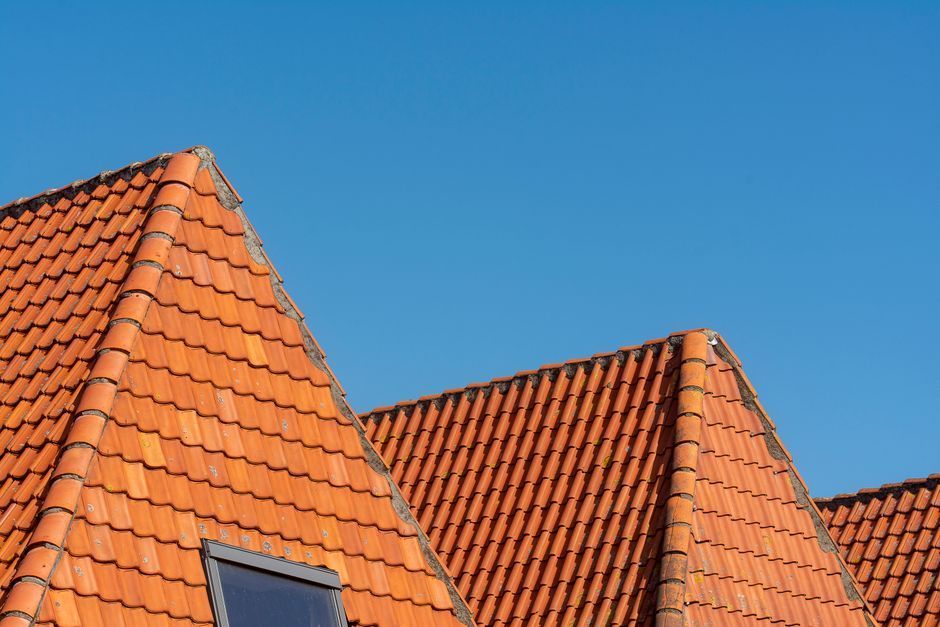
Which way the roof faces matters just as much. North-facing slopes get the least sun, stay damp longest, and grow moss and algae fastest, so they often set the schedule for the whole roof. If your back slope faces north and sits under a tree, that's the part telling you when it's time.
4. Roof type and how it holds moss
Different roofs green up at different rates. Older, rougher, or more porous surfaces give moss and algae more to grip, while smoother modern tiles can be a little slower to colonise. The mix of slate and concrete tiles across Durham means schedules vary house to house.
The period slate roofs on Durham's older terraces have a texture that holds moisture, and their age can make them more welcoming to growth, so they often need a watchful eye. Whatever your roof is made of, knowing how it tends to behave helps you judge the gaps between cleans rather than waiting for it to look terrible.
5. The signs that say it's time now
Rather than counting years, it often helps to watch the roof itself. Visible green patches, dark streaks spreading, moss clumps in the gutters, or growth creeping up from the eaves are all signs the roof is asking for attention. If you can see it clearly from the street, it's overdue.
Gutters are a useful early warning. When you start finding lumps of moss washed down into them, the roof above is shedding growth, which tells you it's established up there. Catching these signs early means a lighter, cheaper clean than waiting until the whole slope has gone green.
6. Stretching the gaps with maintenance
You don't have to choose between frequent full cleans and letting the roof go. A biocide treatment applied after a clean keeps working for a long time, slowing regrowth so the roof stays clearer for longer and the next full clean is pushed further out. It's the middle path that suits Durham well.
Keeping gutters clear and trimming back overhanging branches helps too, since both reduce the damp and shade that speed up growth. In a climate this wet, a little ongoing care does more for your timing than any fixed schedule. Stay lightly on top of it and you avoid ever reaching the heavy, neglected state that forces a big clean.
- Typical range: Every two to four years suits most roofs, but local conditions shift that a lot.
- Damp climate: Durham's wet weather pushes most roofs toward the more frequent end.
- Shade and trees: Overhung, tree-lined roofs green up fastest and need cleaning sooner.
- North-facing slopes: The shadiest side grows moss quickest and often sets the schedule.
- Watch the signs: Green patches and moss in the gutters mean it's time, whatever the calendar says.
Frequently Asked Questions
How often should I clean my roof in Durham?
Most roofs here suit cleaning every two to three years given the damp climate, though shaded or tree-covered roofs may need it sooner. Watching the roof for growth is more reliable than a fixed number.
Can I leave my roof longer if it looks fine?
Often yes, but check it properly rather than glancing. Growth usually starts on the shaded north slope and in the gutters, so a roof that looks clear from the front may still be greening up out of sight.
Does cleaning too often harm the roof?
With gentle soft washing there's little risk, but there's rarely a need to overdo it. A biocide treatment slows regrowth, so you can stretch the gaps rather than cleaning more frequently than the roof requires.
Why does my neighbour's roof stay cleaner than mine?
Usually it comes down to aspect and shade. If their roof faces the sun and yours sits under a tree or faces north, yours will green up faster and need cleaning more often despite being on the same street.
What's the best time of year to clean a roof?
There's no bad time, though many people sort it in spring or autumn. The key is not leaving heavy growth to sit through winter, when damp and frost let it dig in further.
Not sure if your roof is due a clean?
Ben's Roof Cleaning offers honest advice and gentle soft washing for roofs and gutters across Durham and County Durham, with over 15 years of experience. Get in touch or call 07889 127153
for a free, no-obligation quote.
Read the roof, not just the calendar
How often to clean your roof isn't really a number, it's a habit of paying attention. Durham's damp climate, your trees, your roof's aspect, and what you find in the gutters all tell you more than any fixed schedule. Keep a light eye on it, treat it before the moss takes hold, and you'll clean it exactly when it needs it and no more. That's cheaper, kinder to the roof, and far less hassle than a rescue job.