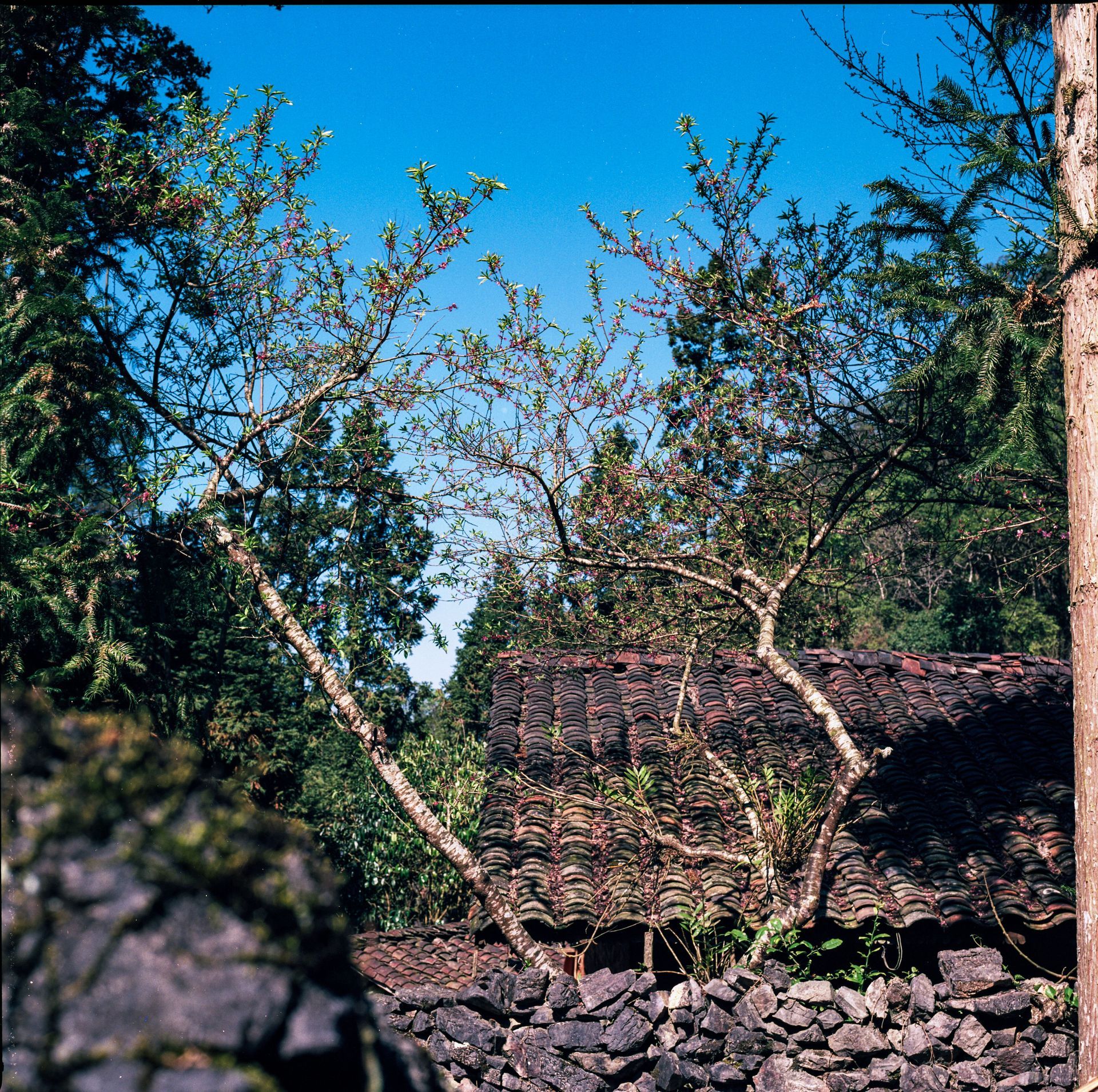
Chimney, Flashing and Ridge: The Bits People Forget
When you think about your roof, you probably picture the broad slopes of tile or slate. That's fair, but it's not usually where the trouble starts. The bits that let water in are the joins and edges: the chimney, the flashing, and the ridge. These are the parts most people never look at, and they're exactly where a roof tends to fail first.
It makes sense when you think about it. A flat run of tiles sheds water easily, but wherever the roof changes shape or meets something else, water has a chance to find a way in. Those transition points do the hardest work, and they're worth understanding, because catching a problem there early saves you a much bigger repair down the line.
The quick answer: The chimney, flashing, and ridge are the vulnerable joins where most roof leaks begin, so keeping them clear of moss and checking them during a clean matters far more than the state of the open tiles.
1. Why the joins matter more than the tiles
The open field of a roof is the easy part. Tiles and slate are designed to overlap and shed water down the slope, and they do that job well for decades. It's where the roof meets something else that the design gets tested, because water collects at those points and looks for any weakness.
The chimney, the flashing, and the ridge are all these kinds of junctions. They rely on seals, mortar, and metalwork rather than simple overlap, and those materials wear over time. On Durham's older terraces, where many roofs and chimneys have stood for a century or more, these joins have taken a lot of weather and deserve a close eye.
2. The chimney and its weak points
Chimneys are a classic trouble spot. Where the brickwork meets the roof there's a join that has to stay watertight, and the mortar around the chimney and its flaunching up top can crack and crumble with age. Once that happens, water gets in and works down into the roof and the rooms below.
Moss loves a chimney too, gathering in the mortar joints and around the base where damp lingers. Plenty of Durham's period homes still have their original chimneys, tall and exposed to everything the northeast weather throws at them. Keeping that area clear and sound is a big part of keeping the whole roof dry.
3. Flashing: the metal that seals the gaps
Flashing is the metal, usually lead, that seals the joins around chimneys, in valleys, and where the roof meets a wall. It's what stops water sneaking into the gaps that tiles alone can't cover. When it's sound, you never think about it. When it lifts, cracks, or corrodes, it becomes a direct route inside.
Wind and the freeze-thaw of a Durham winter are hard on flashing, working at any loose edge until water can get behind it. Moss building up along a flashing line traps damp against the metal and the joint, making things worse. Checking the flashing while a roof is being cleaned is one of the most useful things a proper look from up top can turn up.
4. The ridge along the top
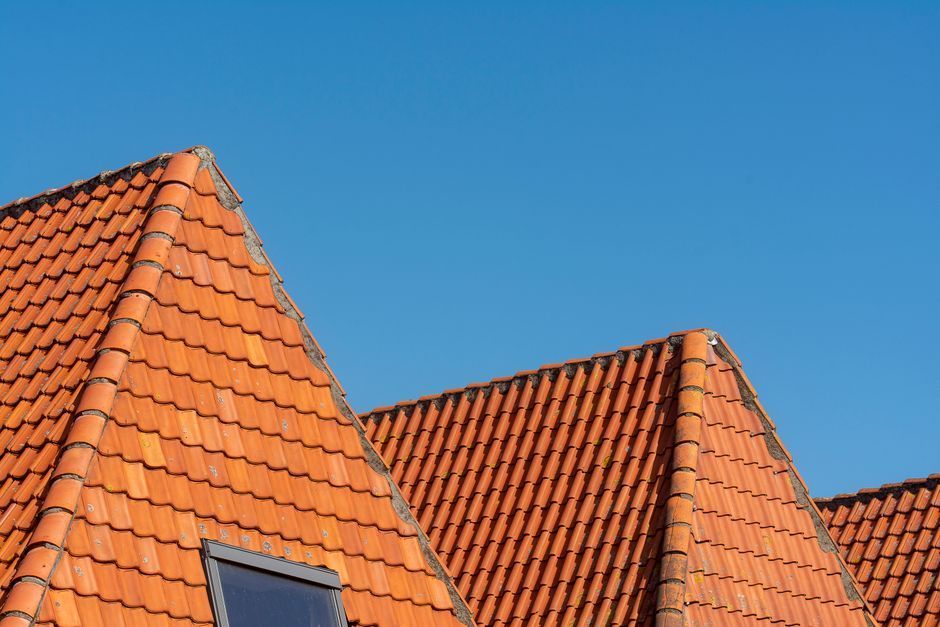
The ridge is the line along the very top where the two slopes meet, capped by ridge tiles. Traditionally these are bedded on mortar, and that mortar is another thing that cracks and loosens over the years. A loose ridge tile is both a leak risk and, in a high wind, a safety one.
Durham gets its share of exposed, blustery weather, especially on higher ground away from the shelter of the valley. That wind works at any ridge tile that's already loose on failing mortar. Spotting a slipped or wobbly ridge tile early, before it comes off entirely, is far better than dealing with the water damage or the fallen tile afterwards.
5. How moss makes these spots worse
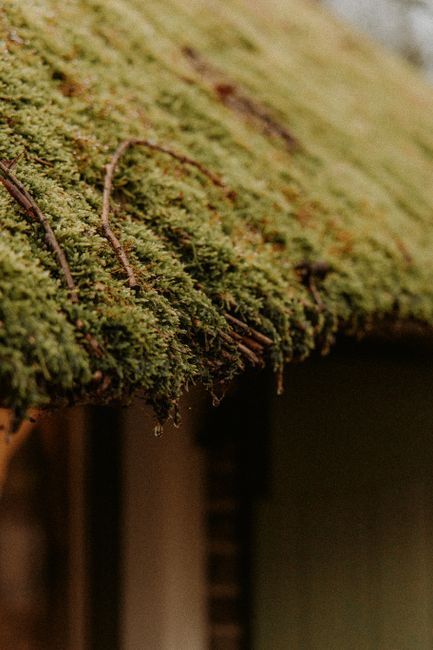
Moss doesn't just sit on the open tiles, it gathers in exactly these vulnerable joins. It packs into mortar joints, along flashing lines, and around ridge tiles, holding damp against the very materials that are meant to keep water out. That trapped moisture speeds up the cracking and corrosion.
In the freeze-thaw cycle of a northeast winter, moss-held water expands as it freezes and prises at mortar and metalwork. So the moss isn't only a cosmetic issue at these points, it's actively working on the weak spots. Clearing it from the joins during a soft wash protects the parts of the roof that matter most.
6. Why a proper clean checks these areas
A good roof clean is also a chance to look closely at these forgotten spots. Someone up at the roof clearing moss can see whether the chimney mortar is sound, whether the flashing is sitting tight, and whether the ridge tiles are secure. That view from up top is something you never get from the ground.
It doesn't turn a clean into a repair job, but it does mean small problems get spotted while they're still small. On Durham's older roofs especially, that early warning is worth a lot, because a cracked flashing or a loose ridge tile caught now is a quick fix, while the same thing ignored becomes damp walls and a much bigger bill.
- Joins fail first: Leaks start at the chimney, flashing, and ridge, not on the open tiles.
- Chimney mortar: Cracked mortar and flaunching around the chimney let water straight in.
- Flashing: The lead sealing the gaps corrodes and lifts, becoming a direct route inside.
- Ridge tiles: Loose ridge tiles on failing mortar are both a leak and a wind-safety risk.
- Moss at the joins: Growth traps damp against these weak points and speeds their decay.
Frequently Asked Questions
Where do most roof leaks actually start?
Usually at the joins rather than the open tiles. The chimney, flashing, and ridge are where water collects and materials wear, so they're the first places a roof tends to let water in.
What is flashing and why does it matter?
Flashing is the metal, often lead, that seals the gaps around chimneys, valleys, and wall joins. When it lifts or corrodes it becomes a direct path for water, so its condition is worth checking.
Can moss really damage the chimney and ridge?
Yes, because it packs into the mortar joints and holds damp against them. In a Durham winter that trapped water freezes and expands, prising at the mortar and speeding up the decay.
How would I know if my ridge tiles are loose?
You often can't from the ground, which is why a clean is useful. Someone up top can see whether the ridge tiles are secure and the mortar sound before one slips or blows off.
Do you check these areas during a roof clean?
A thorough clean includes a look at them. While clearing moss from the joins, it's easy to spot cracked mortar, lifted flashing, or a loose ridge tile so you can deal with it early.
Want the vulnerable parts of your roof kept clear and checked?
Ben's Roof Cleaning clears moss and cleans roofs and gutters with careful soft washing across Durham and County Durham, with over 15 years of experience. Get in touch or call 07889 127153
for a free, no-obligation quote.
The small joins protect the whole roof
It's easy to judge a roof by its broad slopes, but the chimney, flashing, and ridge are where it really earns its keep. These joins do the hardest work and fail first, and moss gathering in them quietly makes matters worse. Keep them clear and keep an eye on them during a clean, and you catch the small problems while they're cheap to fix, long before they turn into damp walls and a soaked ceiling.